
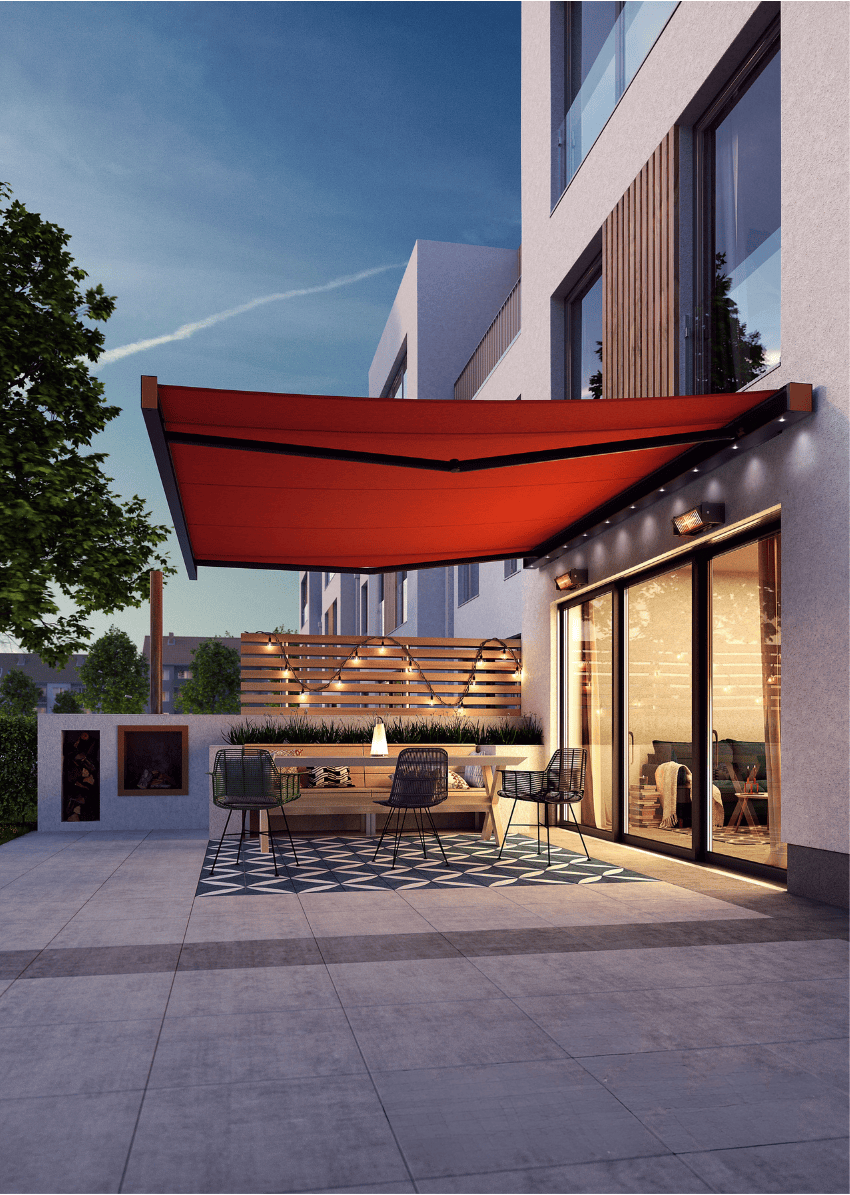
Internal Blinds or External Awnings for Glass Roof Shade
Managing the temperature of a glass room is all about where you stop the solar energy. Internal blinds are a common thought, but external awnings are often more effective at preventing overheating. We explain why the position of your shading system matters more than you might realize.
Why External Shading Works
External awnings block the sun's rays before they strike the glass. This prevents the heat from entering the structure in the first place, effectively cooling the entire space. It is the technically superior way to manage solar heat gain.
The Internal Blinds Approach
Internal blinds reflect some heat, but the sun's energy has already entered the glass room. While they provide aesthetic control and glare reduction, they are less effective at stopping the greenhouse effect that causes overheating in glass structures.
Technical Comparison Factors
Compare how they impact your room temperature.
- External awnings stop heat outside
- Internal blinds manage glare inside
- External systems stop greenhouse effect
- Internal blinds are decorative
Thermal Management Reality
If your glass room faces south, an external system is almost certainly required to maintain a comfortable temperature during mid-summer peak hours.
Common questions
Do internal blinds provide any heat benefit?
They can provide a slight benefit, but the room will still heat up because the thermal energy has already passed through the glass.
Are external awnings prone to wind damage?
Modern awnings are robust and have sensors that automatically retract them in high wind, protecting the system.
Which is cheaper?
Internal blinds are generally more affordable, but their lower efficacy at heat management must be weighed against their lower cost.
Can I use both?
Yes, many glass rooms use external awnings for temperature control and internal blinds for privacy and glare management.
Installation Considerations
External awnings need to be integrated into the roof system's framing. This must be considered during the initial specification process, whereas internal blinds can sometimes be added as an afterthought.
In short
External awnings are highly effective at preventing solar heat gain; internal blinds are better for aesthetics and glare, prioritize external systems for temperature control.
What to do next
Are you struggling to keep your glass room cool? Talk to us about shading systems.
Ready to Transform Your Outdoor Space?
Get a free, no-obligation quote. Email a photo of the area plus your preferred width, projection and operation type, and we'll do the rest.