
Dealing With Low Winter Sun Under a Glass Roof
Yorkshire's winter sun sits low in the sky for months at a time, and on a west- or south-west-facing veranda that low angle can send glare directly into a seating area or through into the house at exactly the times of day people want to relax there.
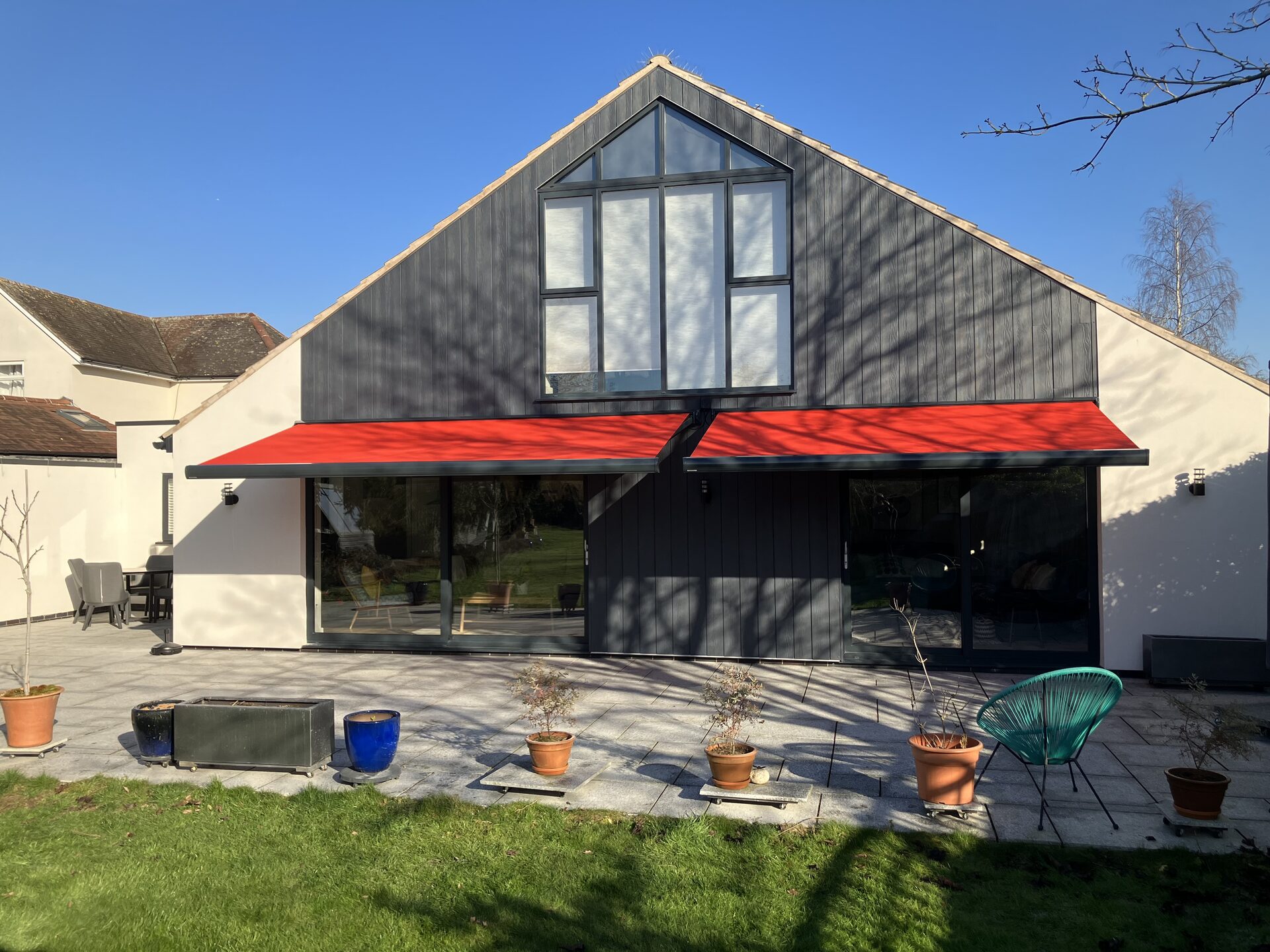
Safety first: isolate power before touching a motorised system, and never work at height off a ladder alone. If in doubt, book a fitter rather than forcing a mechanism.
Why low sun is a different problem to summer heat
In summer the issue is heat building under an overhead sun; in winter the sun sits at a shallow angle and travels under a standard roof overhang, so shading designed for summer sun often does very little for winter glare.
Where glare causes the most disruption
Glare typically affects seating that faces west or south-west in the late afternoon, and can also reflect off glazing into adjoining rooms of the house, which is worth considering when planning furniture layout.
Vertical screening as the main answer to low-angle sun
Because low sun comes in sideways rather than from overhead, vertical screens or side glazing with a tint or blind option do more to manage winter glare than roof-level shading alone.
- Retractable vertical screens on the low-sun elevation
- Tinted or fritted side glazing panels
- Internal blinds for glazed doors behind the veranda
- Furniture layout adjusted for late-afternoon sun
Roof glazing choices that soften glare
A lightly tinted or ceramic-fritted roof panel reduces glare intensity somewhat without significantly darkening the space, and is worth discussing at specification stage if low sun is a known issue on the plot.
Questions we get asked on repair calls
Will tinted roof glass fix winter glare on its own?
It helps but rarely solves it alone, since low winter sun arrives at an angle that a roof-level tint doesn't fully intercept, vertical screening usually does more.
Does glare from a veranda roof affect the house behind it too?
It can, particularly if the veranda glazing reflects low sun into adjoining glazed doors or windows, which is worth checking at survey if this matters to you.
Are retractable screens better than fixed tinted glazing for glare?
Retractable screens offer more flexibility since they can be left open most of the year and only deployed on the worst low-sun afternoons.
Is low sun glare worse on a west-facing plot than south?
West-facing plots typically see the more disruptive late-afternoon glare, while south-facing gardens see a more consistent but often less intense low sun through the day.
Simple habits that help through winter
Adjusting where seating is placed seasonally, and using retractable screens on the worst afternoons rather than leaving them permanently deployed, balances comfort with keeping the space open most of the time.
- 1Reposition seating for winter afternoons
- 2Deploy screens only when the sun is at its lowest
- 3Keep frequently-used screens easy to reach
- 4Review the layout again each spring
In short
Low winter sun causes sideways glare that roof shading doesn't solve, so vertical screens, tinted glazing and seasonal furniture layout matter more on west- and south-facing plots.
Get it looked at
Ask about vertical screening options to manage winter glare at survey.
Ready to Transform Your Outdoor Space?
Get a free, no-obligation quote. Email a photo of the area plus your preferred width, projection and operation type, and we'll do the rest.