
Orientation and the Prevailing South-Westerly
Much of Yorkshire's day-to-day wind and rain arrives from a broadly south-westerly direction, and while local terrain bends that pattern around hills and valleys, it's a sensible starting assumption when orienting a new veranda, awning or pergola.
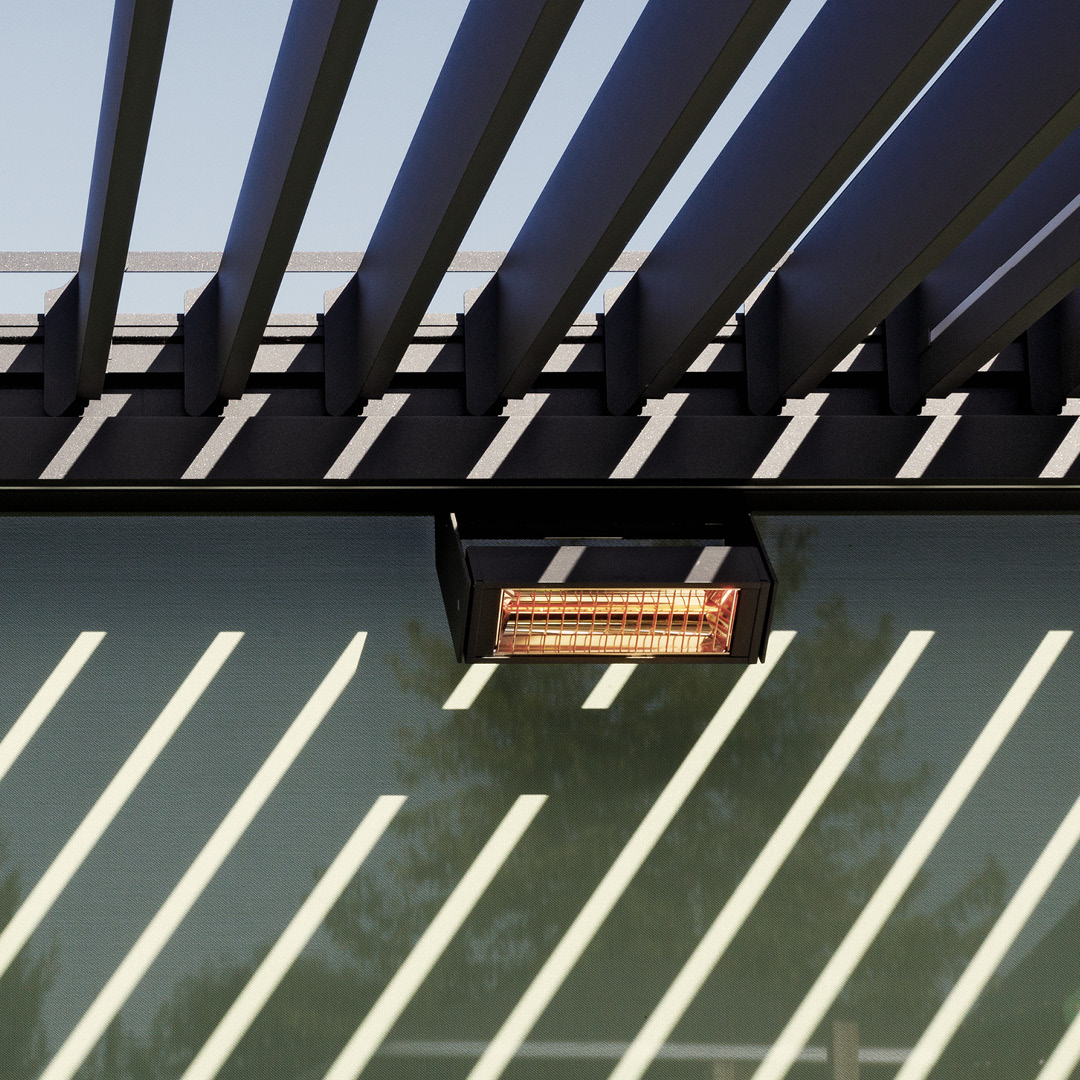
Reading a plot's actual exposure to the south-west
A south-west-facing garden with a tall boundary hedge or fence in that direction is more sheltered than an open plot facing the same way, so orientation advice should always be checked against what's actually shielding the site.
Using the house itself as a windbreak
Positioning a veranda so the house or an existing wing shelters the south-west corner, with the more open side facing away from prevailing weather, reduces how much wind-driven rain reaches the structure without closing the space in.
Screening the exposed side rather than the whole structure
Rather than enclosing an entire veranda, a single retractable screen or fixed glazing panel on the south-west elevation often gives most of the weather protection while keeping other sides open.
- Screen or glaze the south-west-facing side first
- Leave sheltered sides more open for view and access
- Position seating away from the most exposed corner
- Reassess after the first full season of use
Awning arm direction and retraction habits
An awning mounted on a south-west-facing wall is directly exposed to the prevailing wind when extended, which is where a wind sensor and a habit of retracting overnight are most valuable, more so than on a sheltered north-facing wall.
Planting as a longer-term addition
A hedge or screen planting on the south-west boundary, established over a few years, can meaningfully reduce wind reaching a veranda or pergola, complementing rather than replacing a well-specified structure.
- 1Windbreak hedges take several seasons to establish
- 2Evergreen planting gives year-round shelter
- 3Position planting clear of foundations and drainage
- 4Treat as a long-term addition, not an immediate fix
Why this still matters on a sheltered street
Even in a built-up area where neighbouring houses offer some shelter, corner plots and end-of-terrace gardens can catch more south-westerly weather than mid-terrace equivalents, so it's worth assessing individually rather than assuming a street-wide pattern.
Common questions
Should every veranda in Yorkshire be orientated away from the south-west?
It's a sensible starting point, but local shelter from buildings, hedges or terrain can change the actual exposure of a specific plot, so this is assessed individually at survey.
Does orientation affect awning wind sensor settings?
A south-west-facing awning is more likely to need its sensor set to a more cautious threshold than one on a sheltered elevation.
Can I change orientation after a veranda is built?
Not the structure's position, but adding screening or glazing to the exposed side afterwards is often possible as a later addition.
Is a hedge a genuine alternative to a screen?
It can meaningfully reduce wind over time once established, but it takes years to reach useful height, so it works best alongside rather than instead of a structural screen.
In short
Yorkshire's broadly south-westerly weather should inform veranda and awning orientation, with screening concentrated on the exposed side rather than the whole structure.
What to do next
Ask us to assess your plot's exposure to prevailing weather at survey.
Ready to Transform Your Outdoor Space?
Get a free, no-obligation quote. Email a photo of the area plus your preferred width, projection and operation type, and we'll do the rest.