
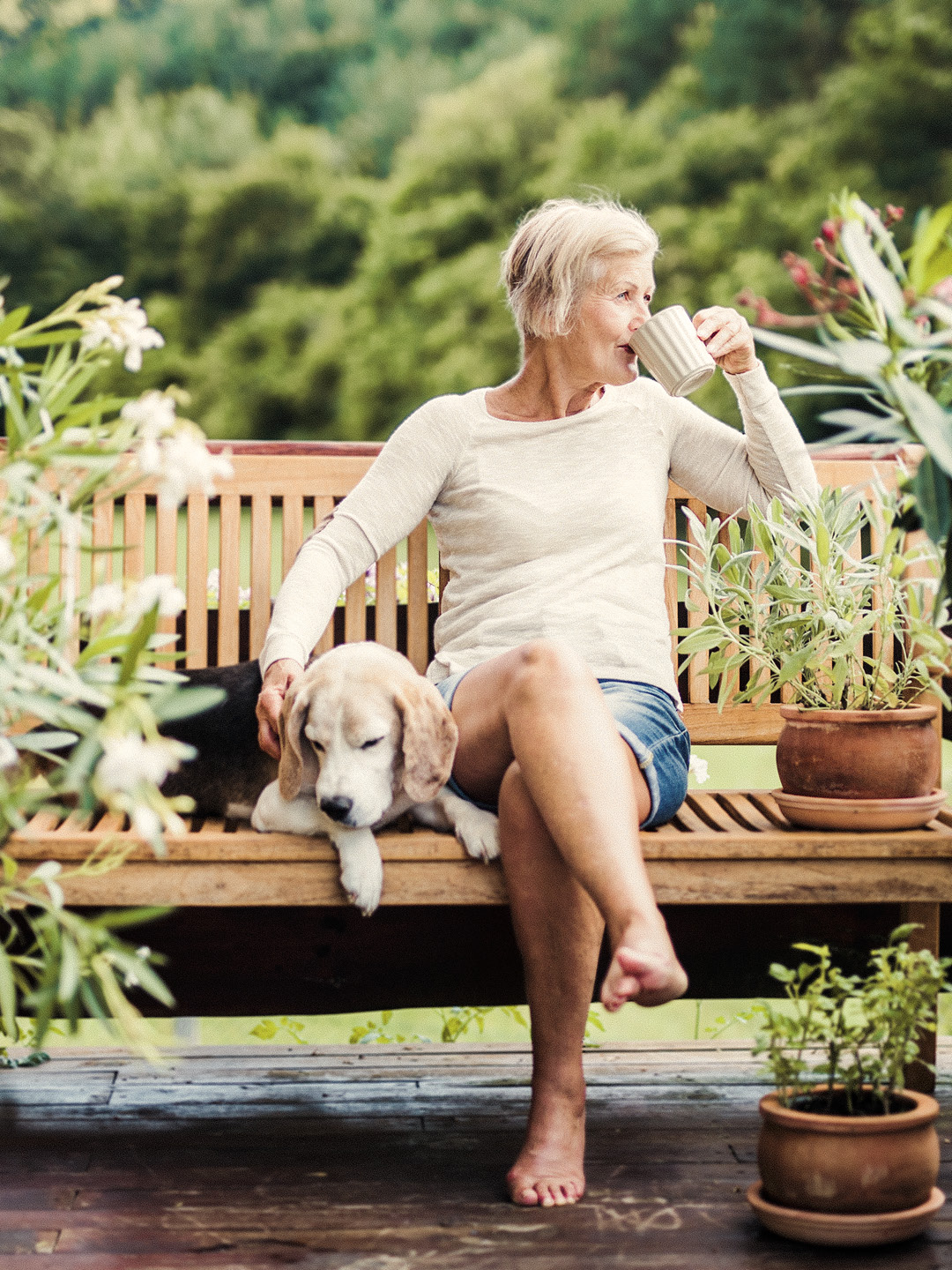
Designing Wildlife-Friendly Patio Spaces
Integrating your veranda into a wildlife-friendly garden is about creating a harmonious transition between your built space and the natural environment. By carefully planning the surrounding planting, choosing non-intrusive foundation systems, and using sustainable, long-lasting materials, you can create a structure that not only serves your needs but also supports local biodiversity, creating a true garden sanctuary.
Balancing shade with plant health beneath the roof
A wildlife garden usually relies on dense, layered planting reaching close to the house, and the roof choice above a veranda directly affects what can thrive underneath and around it. A solid roof creates a rain shadow at its edge and deep shade directly below, which suits ferns and shade-tolerant planting but will starve sun-loving pollinator plants of the light they need. A glazed or polycarbonate roof lets far more usable light through to nearby beds, supporting a wider range of flowering plants close to the structure. Thinking through what you want to grow immediately around and beneath the canopy, rather than choosing the roof purely for the seating area, keeps the whole space working for wildlife.
Harmonious material choices
We prioritise sustainable, high-quality aluminium, which is fully recyclable and requires zero chemical treatment. This is a much better choice for a wildlife-friendly garden than traditional pressure-treated timber structures, which can leach preservatives.
Integrating planting
By designing your veranda structure with clear, open foundation options, you allow for more freedom in your surrounding planting, ensuring your garden can remain wild and vibrant right up to your doorstep.
- Choose a light-transmitting roof if nearby beds need direct sun
- Position downpipes to feed a rain garden or water butt rather than a drain
- Keep lighting warm-toned and low-level to avoid disturbing nocturnal insects
- Leave gaps at the base of screens for hedgehogs and small wildlife to pass through
Common questions
How can my veranda be more wildlife-friendly?
Choosing sustainable, maintenance-free materials like aluminium is the first step, as it avoids any harmful chemical treatments associated with timber.
Can planting reach the structure?
Yes, our open-foundation designs provide flexibility for planting closer to the structure, enhancing the natural feel of your patio.
Will a solid roof stop plants growing well nearby?
It can reduce light and rainfall reaching beds directly beneath or just in front of the structure, so shade-tolerant planting works better there, while sun-loving flowering plants that support pollinators are best positioned further out from the roofline.
Does outdoor lighting under a veranda disturb wildlife?
Bright white lighting left on late into the evening can disrupt moths, bats and other nocturnal visitors, whereas warm-toned lighting on a timer or motion sensor has a much lighter impact while still lighting the seating area when needed.
Can rainwater from the roof be used to support wildlife planting?
Yes, directing the downpipe to a water butt or a small rain garden bed rather than straight into a drain is a simple way to make use of roof run-off for surrounding planting.
Do veranda foundations disturb soil wildlife and root systems?
Point foundations for individual posts disturb far less ground than a continuous concrete strip, which is worth discussing with your installer if you want to keep root systems and soil life around the structure largely intact.
In short
Create a beautiful, biodiversity-supporting outdoor sanctuary with expert guidance on integrating sustainable aluminium structures into wildlife-friendly garden planting.
What to do next
Speak with our advisors about designing a garden-integrated veranda.
Ready to Transform Your Outdoor Space?
Get a free, no-obligation quote. Email a photo of the area plus your preferred width, projection and operation type, and we'll do the rest.