
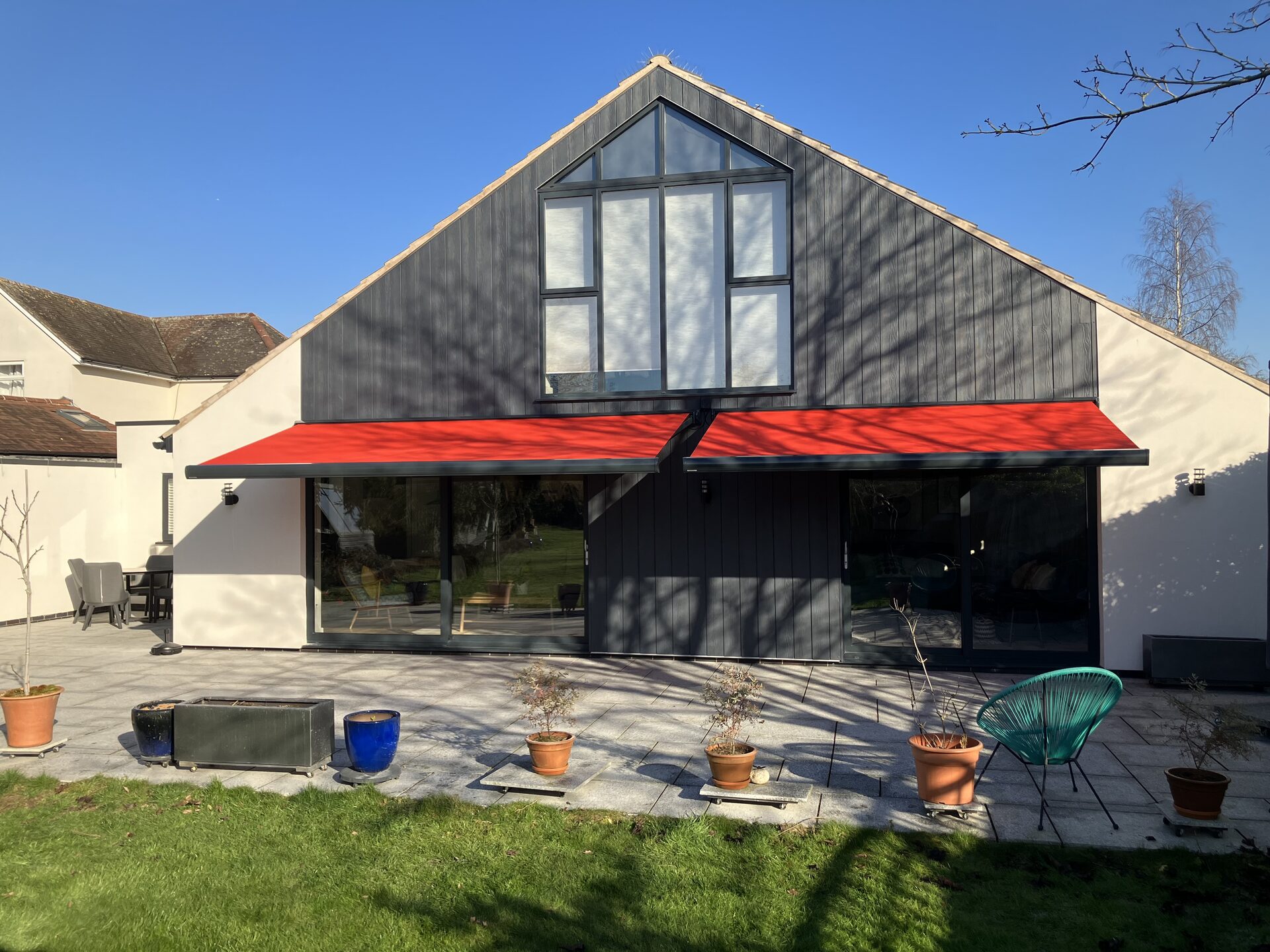
Covenants and Your New-Build Veranda
New-build estates often have restrictive covenants in place to preserve the character of the development for the first few years. These rules can restrict exterior structures, including verandas or canopies, even when the work would otherwise be permitted development. Checking these covenants is an essential first step for any new homeowner planning a garden improvement.
What Restrictive Covenants Do
These rules, usually found in your property deeds, are intended to prevent changes that might impact the look or feel of the estate. They can cover anything from fence colours to garden buildings, and unfortunately, a veranda is often captured by these rules. They are independent of local council planning permission, meaning they can apply even if the council has no objection.
Finding Your Covenant Details
Your solicitor should have provided you with a copy of your title deeds or a summary of any restrictive covenants when you purchased the home. If you are unsure, you can often find them on your Land Registry title documents. Knowing exactly what is written is the only way to avoid making an expensive error.
Negotiating with Developers or Management
Sometimes these covenants can be relaxed, particularly if you have a proposal that is well-considered, high-quality, and doesn't visually disrupt the streetscape. A professional, detailed proposal can make all the difference when asking the developer or the estate’s management body to consider your project as an exception.
Design Consistency is Key
Covenants are often used to ensure a high standard of quality across the estate. A veranda that is clearly built to a high standard, using compatible materials and colours, is much more likely to be accepted than one that looks like an afterthought or is poorly matched to your home's architecture.
- Review your title deeds for specific covenants
- Do not assume council approval equals estate approval
- Present a professional, high-quality proposal
- Focus on aesthetic harmony with your home's style
Common questions
Are covenants permanent?
They are often permanent, though they can sometimes be waived or modified by the original developer or a successor body, depending on the terms.
What if I ignore a covenant?
The developer or other residents could potentially take legal action, which can result in you being forced to remove the structure and pay costs.
Does a 'permitted development' house automatically allow a veranda?
No, a covenant can impose stricter rules than permitted development, so always check your deeds first.
Can I appeal against a restrictive covenant?
It is difficult and potentially expensive, so the best approach is always to seek written consent first if you believe your project has merit.
In short
Check your deeds for restrictive covenants, as these can impose stricter rules than council planning and often require explicit developer consent.
What to do next
Ask us for advice on how to build a professional proposal for your estate’s management or developer.
Ready to Transform Your Outdoor Space?
Get a free, no-obligation quote. Email a photo of the area plus your preferred width, projection and operation type, and we'll do the rest.