
Building From a Flat-Pack Kit or Hiring Installers to Do It Properly
DIY kits let you build a structure yourself and save on labour. Professional installation handles everything from site prep to handover. The real decision is about your skills, your time, and whether you're willing to bet the final result on your own work. This page lays out the honest trade-offs.
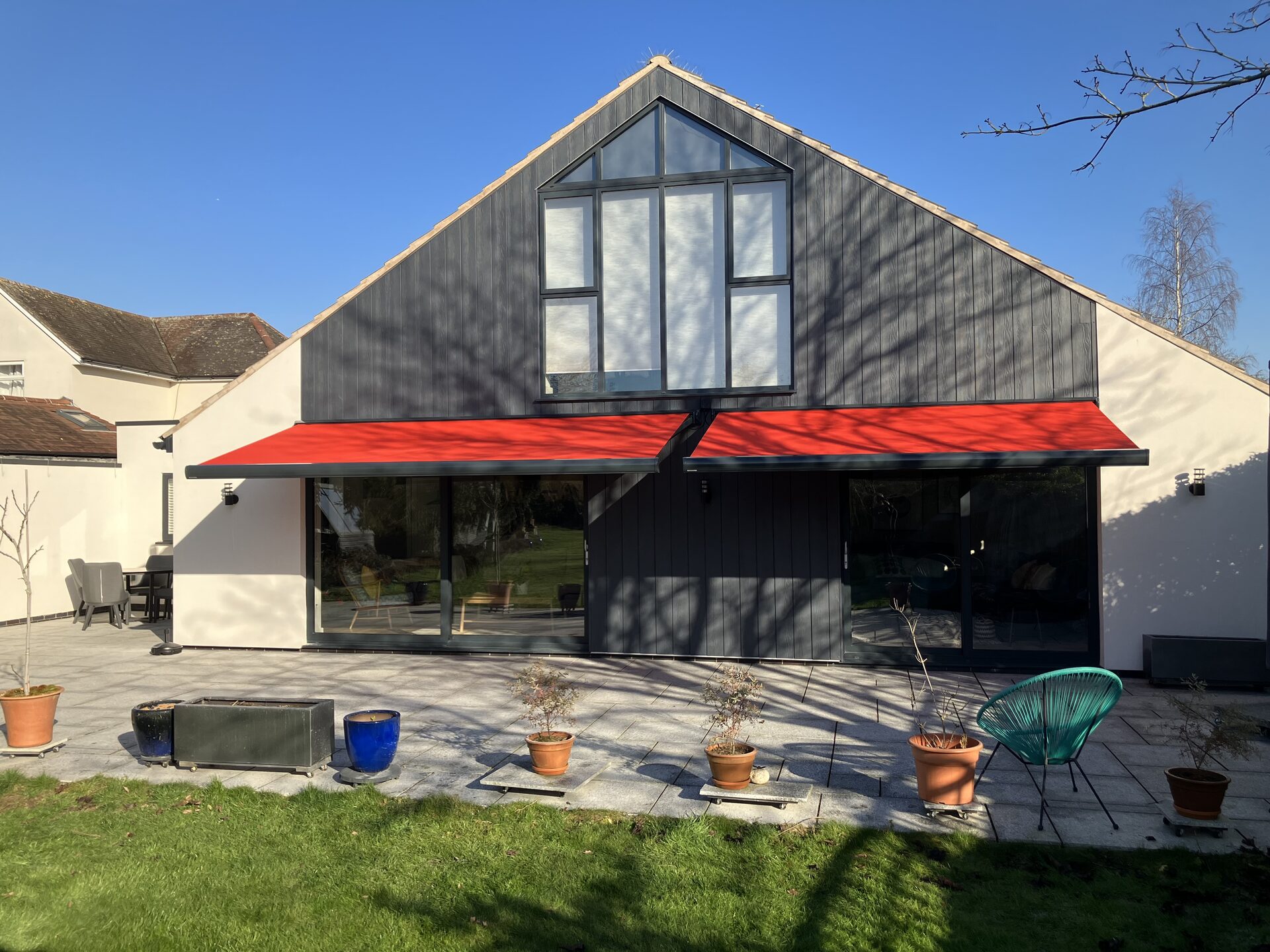
The DIY Path: Skill, Tools and Upfront Time
A DIY kit arrives with components and assembly instructions. You unbox the frame, prepare the site (dig post holes, compact gravel, maybe pour concrete), fit the uprights, bolt the frame together, attach the roof panels. The work usually takes 2-5 days depending on kit complexity and your experience. You'll need basic tools, spanner, spirit level, drill, and the physical ability to lift panels and tighten fixings. The savings are real: labour is your own time, and a much larger share of the overall budget stays in your pocket rather than going to an installer's fee. The risks are also real: if you get the site level wrong, the structure won't sit square. If you over-tighten a bolt, you'll crack an aluminium component. If the fixings corrode (because you used steel bolts instead of stainless), rust will set in within two winters.
Professional Installation: Certainty and Warranty, Higher Cost
An installer brings experience, proper tools, and trade knowledge. They survey the site, recommend adjustments, prepare the ground correctly, fit the structure level and square, and sign off the work. The cost is higher, a larger share of the project budget goes toward labour rather than materials, but you get a finished structure that someone else is professionally accountable for. An installer knows the regulations: whether you need building regulation approval, how deep post holes need to be in your specific soil, how to ensure drainage won't pool against your house wall. Terms vary by supplier and installer, so check in writing what happens if something goes wrong after handover. The downside is that you're dependent on the installer's schedule, if they're busy, your project waits.
When DIY Makes Sense: Small, Simple, Confident Builders
DIY works best for small structures. A 3-metre pergola over a side patio, simple and freestanding, is a realistic weekend project. A complex glass room with precise glazing and drainage is not. If you've built things before, decking, raised beds, shelving, you have a sense of how materials behave and how to finish work properly. If you've never drilled into masonry or bolted an aluminium frame, a complex kit is risky. Simple structures, confident DIYers, good instructions: that's the sweet spot for DIY.
When Professional Installation Is the Right Call
Installation is the right call if: the structure attaches to your house wall (fixings matter, and mistakes can let water in); the site is sloping or uneven (ground preparation takes skill); you need building regulation approval or planning permission (installers know the rules, can advise, and sign off the paperwork); the structure is large or complex (glass, motorised components, drainage integration). It's also the right call if you value certainty: you don't want to spend weeks building something and discover at the end that it's not level or doesn't drain correctly.
The Hidden Costs of DIY: Time, Tools and Potential Remedial Work
A DIY project saves labour cost but costs your time, often more time than you'd expect. Building takes longer than the kit instructions suggest if you're doing it carefully. If mistakes happen, the frame isn't square, a component cracks, fixings are the wrong grade, remedial work is expensive and frustrating. Professional installers can spot and fix issues mid-work; you might not discover them until the structure has been up a year. Also consider tools: if you don't own a drill, a spirit level, and fixings, you'll buy those too. Over a large project, the savings erosion is real.
- Small simple project: DIY often makes sense
- Large or complex project: professional is safer
- Structure attaches to the house: professional knowledge is valuable
- Uneven or sloping site: ground prep is critical, hire an expert
Questions to Ask Yourself Before Choosing
Have I built something like this before, or something structurally similar? Do I have the right tools? Am I comfortable working at height? Can I take time off work to build without rushing? Am I willing to accept that the final finish might not be perfect? Do I understand the building rules, planning permission, building regulations, structural requirements? If you answered no to any of those, professional installation is the safer choice. The gap between the two routes is usually smaller than the cost of correcting DIY mistakes or living with a structure that's not quite right.
Deciding between the two: common questions
If I DIY a pergola and it develops problems later, can I get help putting it right?
Cover varies by supplier. DIY kits typically come with some form of components cover but rarely anything for structural or installation problems, so check the manufacturer's terms in writing. If the frame corrodes or fixings fail because of improper installation, that's usually on you. Professional installers generally stand behind their own workmanship, but ask what that means in practice before signing anything.
Do I need building regulation approval for a DIY pergola?
Probably not, if it's a simple timber or aluminium pergola under a certain size and not attached to the house. But attached structures and glass roofs often do need approval. Check with your local building control before starting.
How long does professional installation typically take?
A simple pergola: 1-2 days. A glass room: 5-10 days depending on complexity. An attached veranda: 3-7 days. The installer will give you a schedule once they've surveyed the site.
Can I start building myself and then hire an installer to finish if I get stuck?
Possibly, but it's awkward. If the DIY portion has errors, the installer might decline to take responsibility for that work, or might charge to remediate your mistakes. Better to decide upfront: either fully DIY or fully professional.
Which is better for the long-term integrity of the structure: DIY or professional?
Professional almost always, assuming the installer is competent. Proper ground preparation, correct fixings, site-specific details, and professional-grade finishing make a difference over years.
In short
DIY saves on labour costs for simple structures if you're confident and have time. Professional installation shifts responsibility for the finish onto someone trained for it, making it the safer choice for complex work or structures attached to the house.
What to do next
Trying to decide whether you should build it yourself or get professionals to handle the whole project? We can survey your site, show you what's involved, and let you decide based on facts rather than guesses.
Ready to Transform Your Outdoor Space?
Get a free, no-obligation quote. Email a photo of the area plus your preferred width, projection and operation type, and we'll do the rest.