
Timber Deck or Concrete Paving as the Base Surface Under Your Veranda
When you build a veranda or glass room, you're usually also deciding what surface to stand on underneath it. Timber decking feels warm and looks natural; paving (concrete, porcelain, stone) is durable and needs less upkeep. The choice affects how the space feels, how much work you do to maintain it, and how long before you need to replace it. This page compares them.
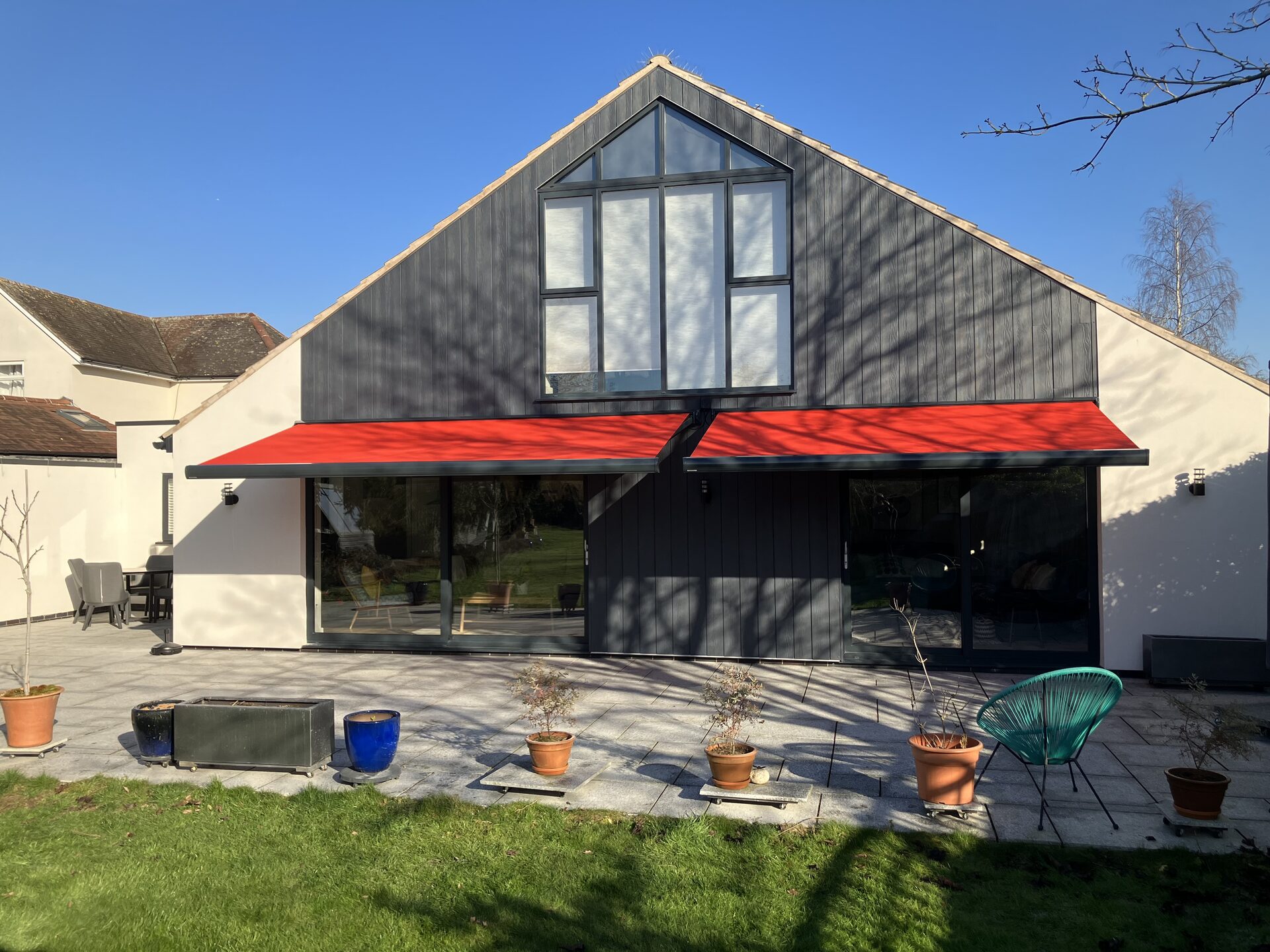
Timber Decking: Warm, Aesthetic, Regular Maintenance Required
Timber decking feels pleasant underfoot and looks good. It's built from pressure-treated timber boards (usually softwood like larch or yellow pine) fixed to joists, with a gap between each board to allow drainage and expansion. The warm, natural look makes the space feel like an extension of the garden rather than a patio. The downside is maintenance: timber weathers, splinters form, and within 3-5 years of being under a veranda (where it's damp but not fully exposed to drying sun and wind), it starts to show algae or mildew. Cleaning, brushing, pressure-washing, is needed yearly. Every 7-10 years, the boards need replacing (they eventually rot, despite treatment). Cost upfront is moderate; labour to replace decking is annoying.
Paving: Hard-Wearing, Minimal Fuss, Permanent
Paving comes in several forms: concrete flags (cheap, plain), porcelain tiles (expensive, varied colours, low-maintenance), natural stone (beautiful, moderate cost, needs sealing). Paving is laid on a prepared base (compacted gravel and sand), and once down, it's there for 20-30 years with almost no intervention. It doesn't rot, doesn't splinter, doesn't stain easily (depending on the material). Cleaning is simple: hose it down once a year. The downside is that paving feels harder and colder underfoot than decking, and if one tile cracks, replacement is annoying (you have to lift adjacent tiles to fit a new one). Initial cost is typically higher than decking unless you're buying cheap concrete flags.
The Under-Veranda Environment: Damp, Sheltered, Algae-Prone
Under a veranda, the surface is sheltered from rain and sun but stays damp. Water runs off the veranda roof, humidity is higher than open garden, and airflow is limited. Timber decking in this environment gets algae growth faster than in open garden, and the damp means the wood doesn't dry out as well, accelerating decay. Paving is essentially unaffected by the damp, water drains through the gaps (if laid on sand) or sits and dries depending on the slope. The under-veranda environment actually favours paving: lower maintenance, longer life.
- Decking: algae and rot risk is higher under shelter
- Paving: damp doesn't affect durability
- Decking: needs scrubbing and replacement every 7-10 years
- Paving: minimal maintenance for 20+ years
Drainage and Water Management Below the Surface
Under a veranda, water from the roof is managed by guttering and downpipes (or it drips through louvres onto the surface below). Timber decking, laid on joists with gaps between boards, lets water drain through easily. Paving, laid on sand, also drains well. The difference is in pooling: if the paving isn't sloped slightly, water can pool in low spots and stain or freeze. Decking doesn't pool because the gaps are permanent, water always drains. This is a small advantage to decking, though both surfaces can be sloped during installation to prevent pooling.
Lifespan and Whole-Life Cost
Decking lasts 8-12 years under a veranda before major renewal is needed. Maintenance is ongoing: cleaning yearly, repairs to splinters, seal reapplication every 2 years. Total cost over 20 years: significant. Paving lasts 20-30 years, rarely needs maintenance beyond a hose-down. If one tile breaks, repair is annoying but not expensive. Total cost over 20 years: usually lower than decking, especially when you factor in all the cleaning and resealing. The 'greenest' choice is actually paving because it doesn't need replacing every decade.
Aesthetics and Usability: Choose Based on the Space's Purpose
Decking makes the veranda feel like a garden extension, warm, inviting, sociable. Paving (especially natural stone) makes it feel like an outdoor room or extension of the house. Both work; the choice depends on your garden's character. If the space is meant to be living-room-like (dining, entertaining), paving often feels more solid and permanent. If it's meant to be garden-room-like (relaxed, close to nature), decking is better. Practically, paving is the better choice if anyone will be using a wheelchair or mobility aid on the surface, decking boards can snag, and gaps can trap wheels. Paving (smooth, level) is more accessible.
Common questions
Can you lay paving over an existing decking surface?
Not directly. The decking needs to come up first, and the joists removed. You'd then prepare the ground and lay the paving. It's a bigger job than starting fresh, so budget accordingly.
Is pressure-treated timber decking safe to sit on and have children play on?
Yes. Modern pressure treatment uses non-toxic compounds. Old CCA-treated timber (from pre-2004) had arsenic; that's no longer used in UK decking timber.
How does paving cost compare with decking?
As a general pattern, concrete paving tends to sit toward the cheaper end, porcelain tile in the middle, and natural stone toward the more expensive end, with decking often comparable to concrete paving. Get quotes from a couple of suppliers for your specific area and material choice, since prices vary by region and supplier.
Does paving need sealing, or is it maintenance-free?
Depends on the material. Porcelain and concrete usually don't need sealing. Natural stone often benefits from periodic sealing to prevent staining. Check your specific material.
Can you use both decking and paving in the same veranda space?
Yes, though you'd need a threshold or edge detail between them. Some people use paving closest to the house (more formal) and decking further out (more garden-like). It works if the levels are managed properly.
In short
Decking feels warm and garden-like but needs regular maintenance and replacement every 8-12 years. Paving lasts 20+ years with minimal upkeep but feels harder and colder.
What to do next
Deciding what surface to lay under your veranda? We can help you weigh up warmth and aesthetics against durability and maintenance, and find the right fit for how you'll actually use the space.
Ready to Transform Your Outdoor Space?
Get a free, no-obligation quote. Email a photo of the area plus your preferred width, projection and operation type, and we'll do the rest.